

 934814391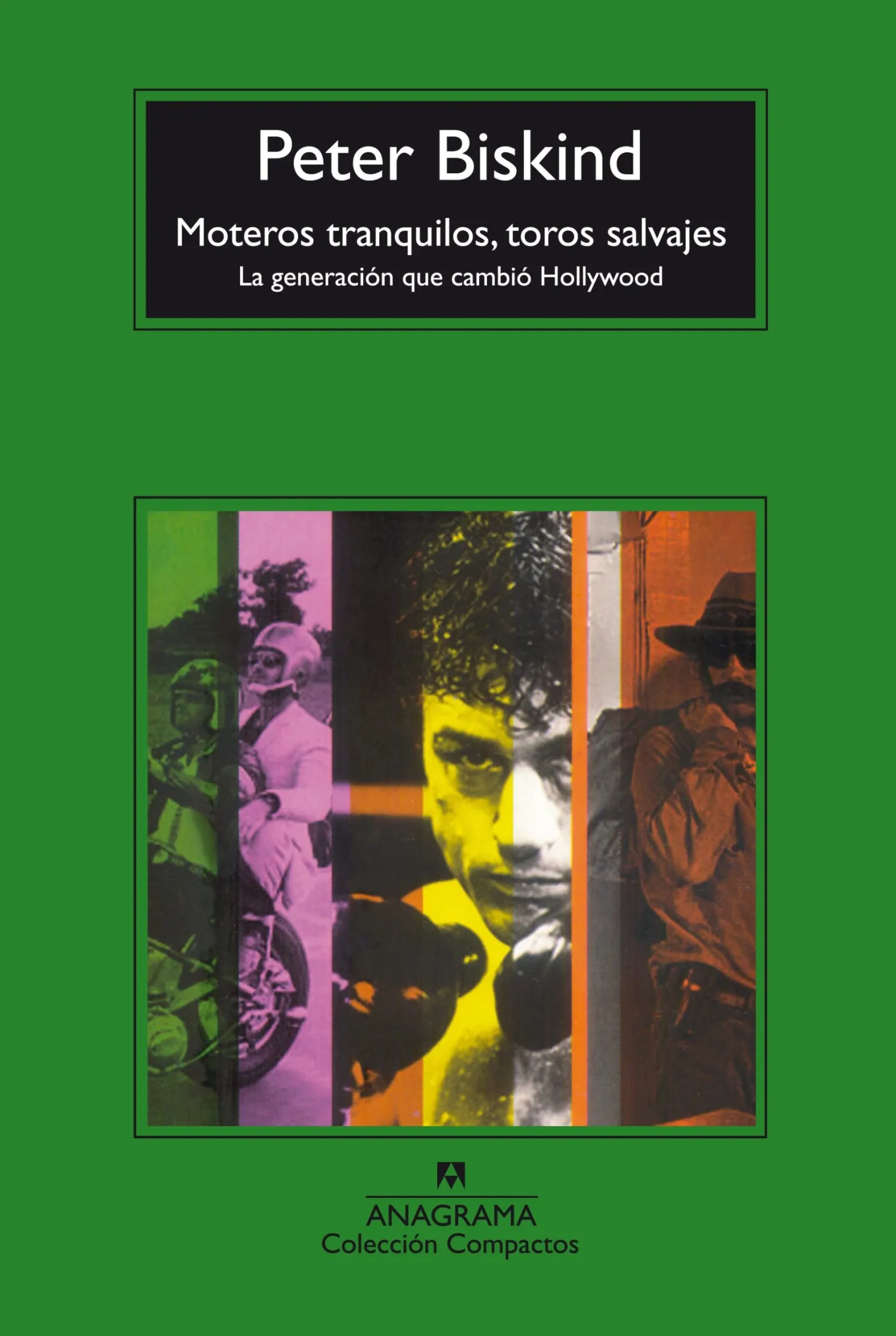
If this August you're staying in Barcelona and don't have big plans, make sure to visit the Filmoteca de Cataluña one afternoon; it's a great option. Two comfortable air-conditioned theaters located in the Raval, one of the liveliest neighborhoods in the city, a bar with good food and drinks on-site, bearing the intriguing name La Monroe, and an excellent program; details that no film enthusiast or student should overlook.
The film industry underwent a drastic change in the late sixties and especially in the first half of the seventies. It was the era of the Vietnam War, the "flower power" movement, counterculture, drugs, civil rights movements; these movements shook American society and the world in general. Of course, the old Hollywood studio system also felt the impact of this wave of generational changes. Hollywood was facing a deep economic, intellectual, and talent crisis during those years. The old masters were either not making films or had already retired, and the last generation of filmmakers, referred to as the Television Generation, failed to engage with the new audiences who, on the other hand, connected with European cinema. The Nouvelle Vague or Neorealism captured the viewers' interest, who appeared to be seeking different stories told in a different way, as Michelangelo Antonioni had suggested. Therefore, following the success of "Easy Rider" (1968, Dennis Hopper), the major studios realized they could achieve success and profit by exploring new filmmaking styles and storytelling, entrusting a new wave of directors and young actors to breathe new life into the industry. Themes like sex, drugs, or certain forms of violence ceased to be taboo, and genres such as thriller, fantasy, or western were reinvented and deconstructed, leaving a legacy that still resonates to this day.
Francis Ford Coppola, Martin Scorsese, Steven Spielberg, Peter Bogdanovich, Brian de Palma, and Paul Schrader are some of the names that rose to rejuvenate the old and stagnant film industry. These directors, besides bringing a European influence to the cinematic landscape by asserting authorship, also started producing films to have full control over their work and increase their profits.
A splendid decade filled with unforgettable titles that perfectly illustrates the book "Easy Riders, Raging Bulls" (1989, Peter Biskind). The book that gives the name to the series, "Easy Riders, Raging Bulls: The New Hollywood of the Seventies," features titles such as "The Godfather" (1972, Francis F. Coppola), "The Last Detail" (1972, Hal Ashby), "The Honeymoon Killers" (1970, Leonard Kastle), "The Last Picture Show" (1971, Peter Bogdanovich), "M.A.S.H." (1970, Robert Altman), or "Taxi Driver" (1976, Martin Scorsese).
Don't miss it!
For more information about the Filmoteca's program, you can visit their website at www.filmoteca.cat.