


La La Land y Moonlight, La Ciudad Del Oscar Compartido

La La Land and Moonlight, The City of the Shared Oscar

If someone watching the Oscars gala, right after the statuette was handed to "La La Land" (Damien Chazelle), had grabbed a backpack and retreated, without a mobile phone and of course without internet, to the most remote mountain far from civilization, going into seclusion like a hermit, it would have been etched into their memory that the musical starring Emma Stone and Ryan Gosling was the true winner. If, unfortunately, someone had passed away after witnessing the ceremony, that fact would remain in their soul forever as indisputable. Under that premise, that is how it happened and therefore that is how it will remain.


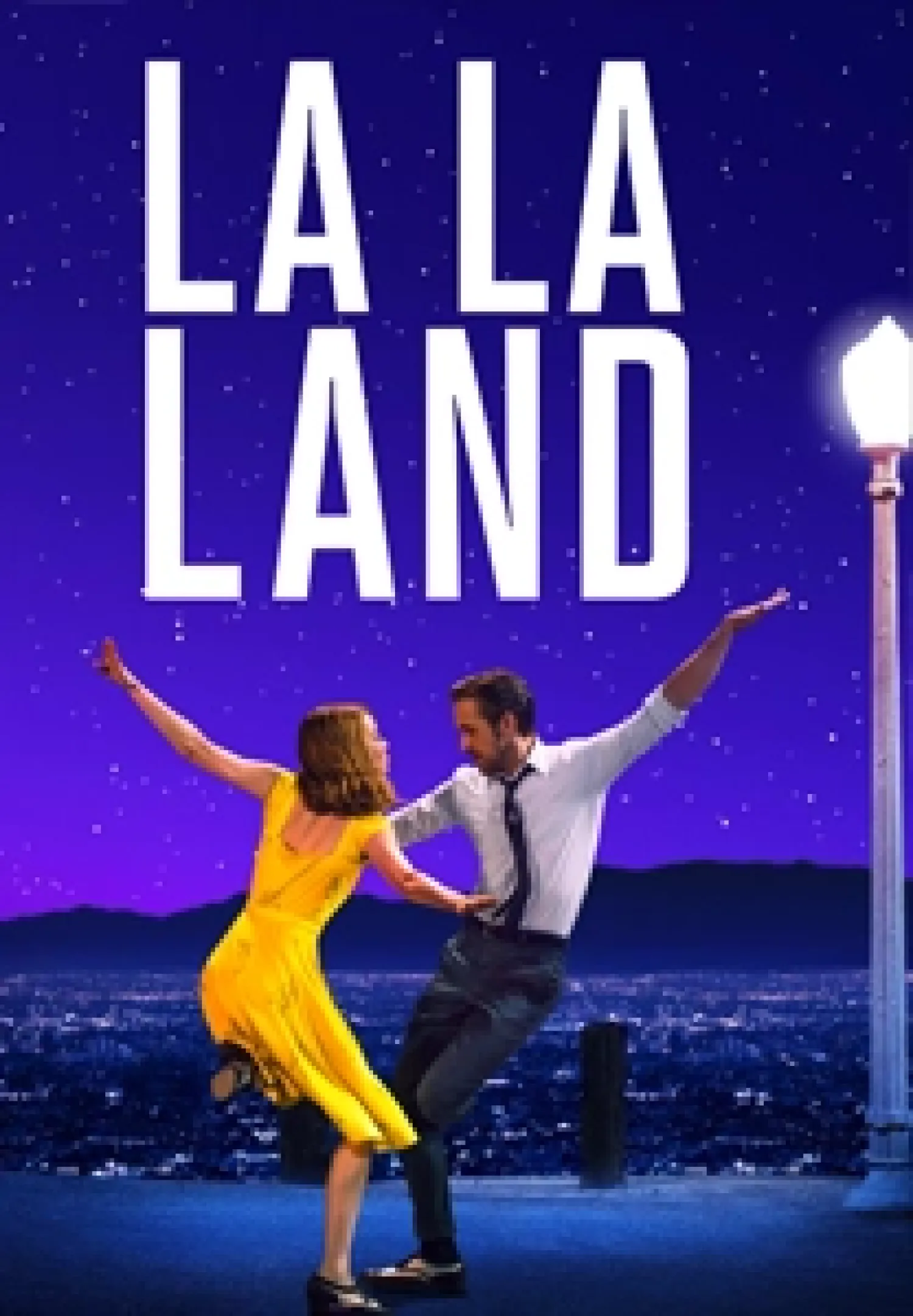
LA LA LAND Film

That is not reality, but what happens is just as important as the way it happens. The irony of the matter is that the event experienced after the winner was announced, by actors Faye Dunaway and Warren Beatty, diabolically staged the very ending of the loser itself. In "La La Land" we witness what the ending of the film would have been like if Emma Stone and Ryan Gosling had stayed together as a couple. An idyllic ending for a beautiful love story in the Hollywood of the stars, until we discover that this was not the case; the two characters separate and "succeed" on their own in a bittersweet outcome. The dream of "La La Land" turned into a nightmare when Dunaway and Beatty, who were celebrating fifty years since their work on "Bonnie and Clyde" (1967), made a mistake and handed them the award by error. The last heist of the most famous outlaw couple in the history of cinema, who also stole the dream of the most modern, cool and multi-referential musical in film history. As if they were modern-day Robin Hoods, their theft ended up in the hands of the creators and people behind "Moonlight" (Barry Jenkins), a small independent film with a team made up mostly of African Americans.


Both films, "La La Land" and "Moonlight", are set in cities where light and sun reign over the landscape. California and Miami, two sunny cities shown to us through the filter of a certain sadness, and in which darkness ends up soaking the atmosphere. Two stories of characters who meet at a specific moment and whom time separates until destiny, in the form of a concert, a phone call or a dinner, ends up bringing them back together. Two love stories that time left in a slumber and that sooner or later had to awaken.
If Faye Dunaway said the name "La La Land", it is because it is what almost everyone wanted to hear. And if in the end it was not so, it is because perhaps it was not what was meant to happen. The collective desire prevailed for a few minutes until another kind of necessary justice imposed itself. Let's not fool ourselves: "Moonlight" is a decent film full of clichés that rests mainly on two brilliant narrative moments filmed with delicacy. A delicacy and formal beauty that is enough to move and reach the heart of the viewer. Something it has in common with "La La Land", another love story full of clichés that shines when it moves within the superficiality of the romantic struggle to reach one's dreams but flounders when it turns serious and transcendent.

Bonnie and Clyde died in a hail of bullets after their last heist, in an ending that was both violent and romantic. Those who retreated as hermits will hold in their memory a false winner, and in this case, as happens in many film festivals, the most romantic thing would have been to give the Oscar to both films. Just as in their own stories, they would have come together in the end.
 

If someone watching the Oscars gala, right after the statuette was handed to "La La Land" (Damien Chazelle), had grabbed a backpack and retreated, without a mobile phone and of course without internet, to the most remote mountain far from civilization, going into seclusion like a hermit, it would have been etched into their memory that the musical starring Emma Stone and Ryan Gosling was the true winner. If, unfortunately, someone had passed away after witnessing the ceremony, that fact would remain in their soul forever as indisputable. Under that premise, that is how it happened and therefore that is how it will remain.

Image
la land portada

That is not reality, but what happens is just as important as the way it happens. The irony of the matter is that the event experienced after the winner was announced, by actors Faye Dunaway and Warren Beatty, diabolically staged the very ending of the loser itself. In "La La Land" we witness what the ending of the film would have been like if Emma Stone and Ryan Gosling had stayed together as a couple. An idyllic ending for a beautiful love story in the Hollywood of the stars, until we discover that this was not the case; the two characters separate and "succeed" on their own in a bittersweet outcome. The dream of "La La Land" turned into a nightmare when Dunaway and Beatty, who were celebrating fifty years since their work on "Bonnie and Clyde" (1967), made a mistake and handed them the award by error. The last heist of the most famous outlaw couple in the history of cinema, who also stole the dream of the most modern, cool and multi-referential musical in film history. As if they were modern-day Robin Hoods, their theft ended up in the hands of the creators and people behind "Moonlight" (Barry Jenkins), a small independent film with a team made up mostly of African Americans.


Both films, "La La Land" and "Moonlight", are set in cities where light and sun reign over the landscape. California and Miami, two sunny cities shown to us through the filter of a certain sadness, and in which darkness ends up soaking the atmosphere. Two stories of characters who meet at a specific moment and whom time separates until destiny, in the form of a concert, a phone call or a dinner, ends up bringing them back together. Two love stories that time left in a slumber and that sooner or later had to awaken.
If Faye Dunaway said the name "La La Land", it is because it is what almost everyone wanted to hear. And if in the end it was not so, it is because perhaps it was not what was meant to happen. The collective desire prevailed for a few minutes until another kind of necessary justice imposed itself. Let's not fool ourselves: "Moonlight" is a decent film full of clichés that rests mainly on two brilliant narrative moments filmed with delicacy. A delicacy and formal beauty that is enough to move and reach the heart of the viewer. Something it has in common with "La La Land", another love story full of clichés that shines when it moves within the superficiality of the romantic struggle to reach one's dreams but flounders when it turns serious and transcendent.

Bonnie and Clyde died in a hail of bullets after their last heist, in an ending that was both violent and romantic. Those who retreated as hermits will hold in their memory a false winner, and in this case, as happens in many film festivals, the most romantic thing would have been to give the Oscar to both films. Just as in their own stories, they would have come together in the end.