

 934814391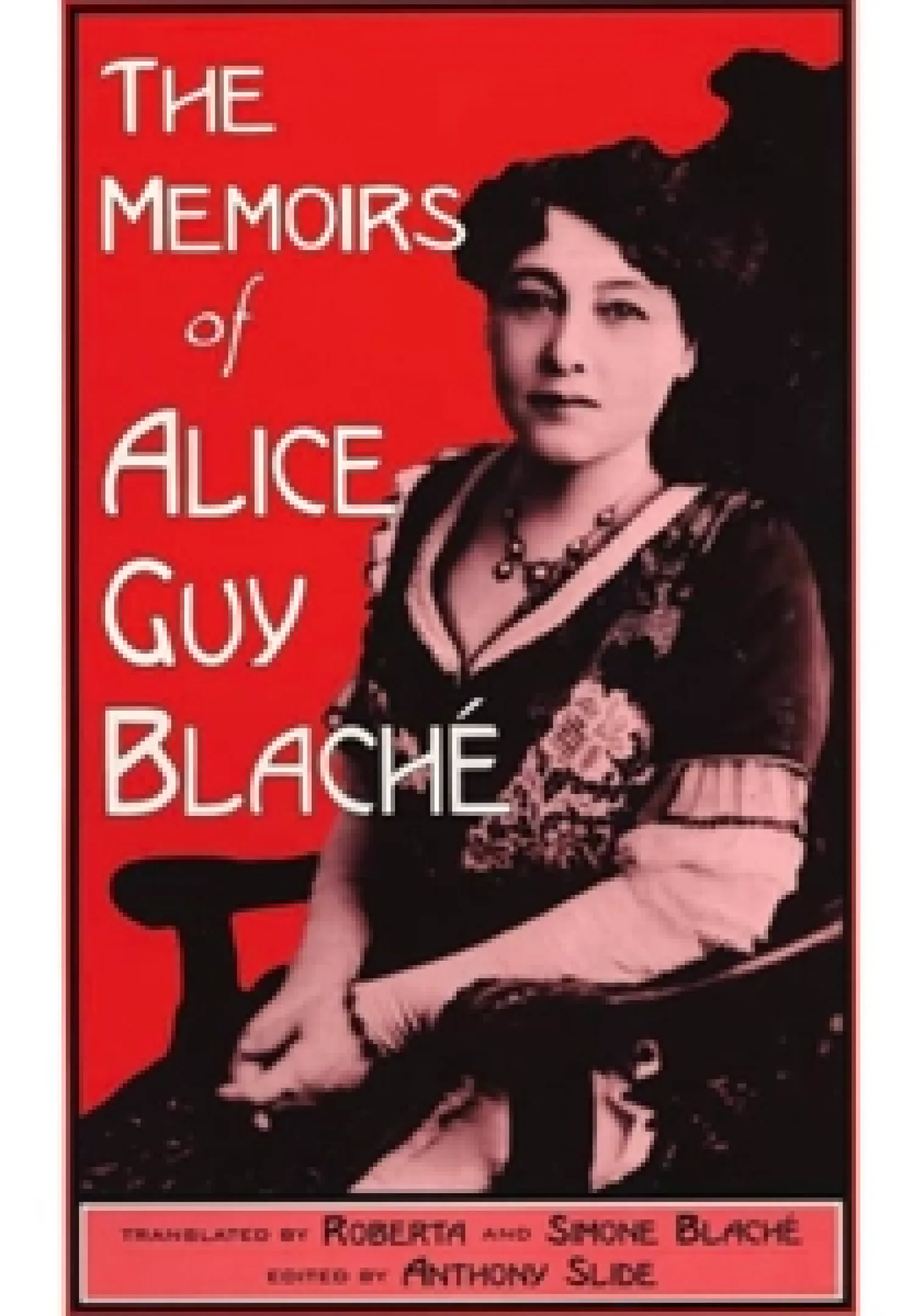
It's Not a Matter of Talent: Cinema Pioneers
Alice Guy-Blanché (1873-1968)
Alice was the secretary of the French producer Gaumont when he wanted to compete with the film empire that Pathé had built. Alice showed him a movie she had directed in her spare time, which could help sell their movie cameras better. Alice became the director of Gaumont, directing many films between 1896 and 1907 when she decided to move to the United States. There, she founded her own production company, Solax Films, with which she continued directing until 1920. She is credited with the first stories with a certain narrative structure, the first superimpositions, and being the first director to work with black actors. For years, many of her films were mistakenly attributed to her husband, also a director, Herbert Blaché.
Louis Weber (1881-1939)
Actress, screenwriter, producer, and director. She was the first woman to direct a feature film, "The Merchant of Venice," in 1914. She directed over a hundred films (including short films) portraying themes such as abortion, alcoholism, drug addiction, and the death penalty. Her films were box office hits, allowing her to become the highest-paid director at Universal Studios in 1916. She went on to found her own production company, Lois Weber Productions, and directed her final film, "White Heat," in 1936.
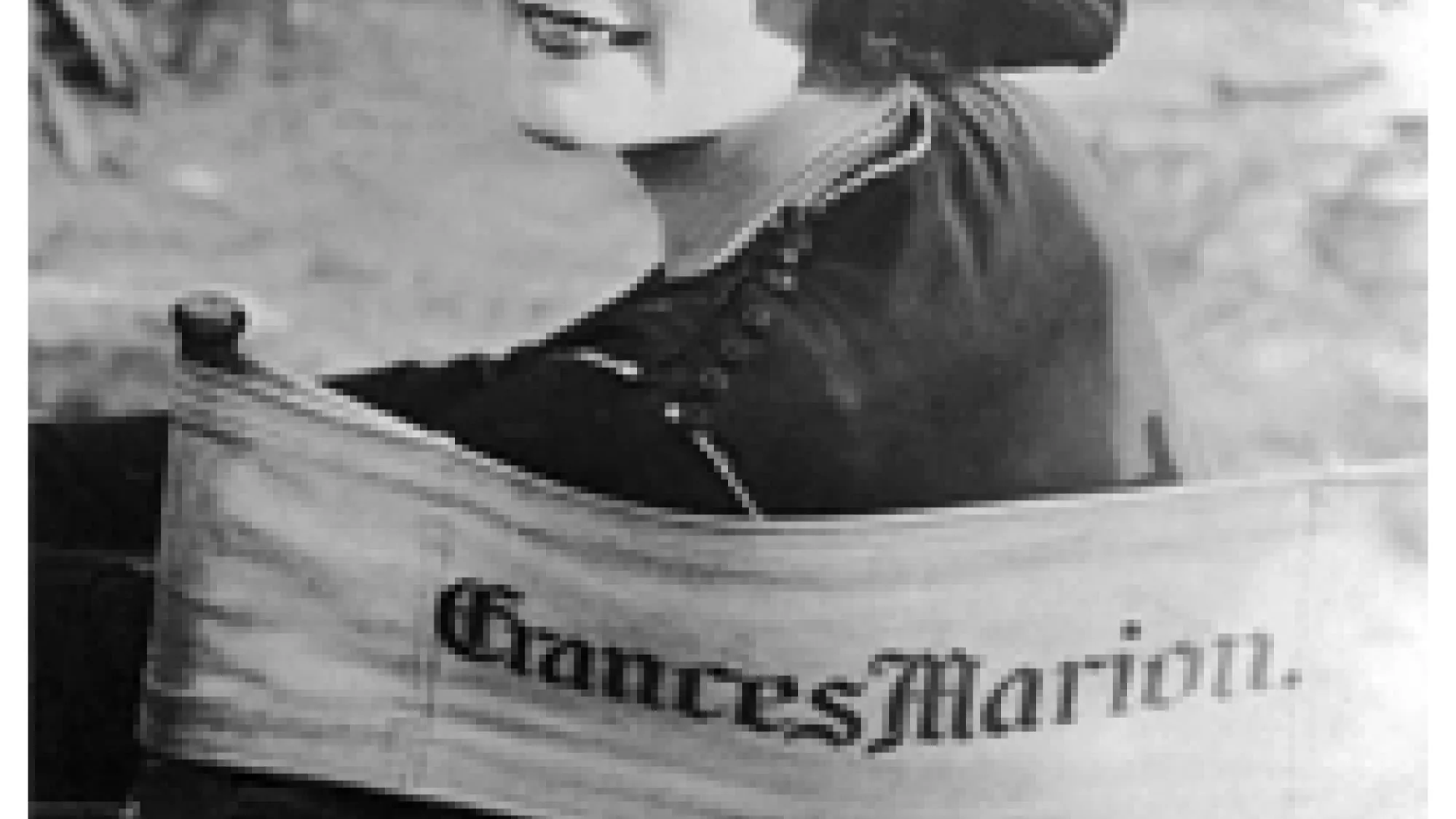
Frances Marion (1888-1973)
Journalist, writer, and film screenwriter. She began working for Lois Weber's production company writing many scripts for the silent film star Mary Pickford. She wrote over three hundred scripts and won two Academy Awards, one in 1930 for the script of "The Big House" by George Hill and another for "The Champ" by King Vidor. She also wrote the screenplay for one of the masterpieces of the Swedish director Victor Sjöström, "The Wind" (1928) and worked for directors such as Edgar Neville, James Whale, or Jacques Feyder.
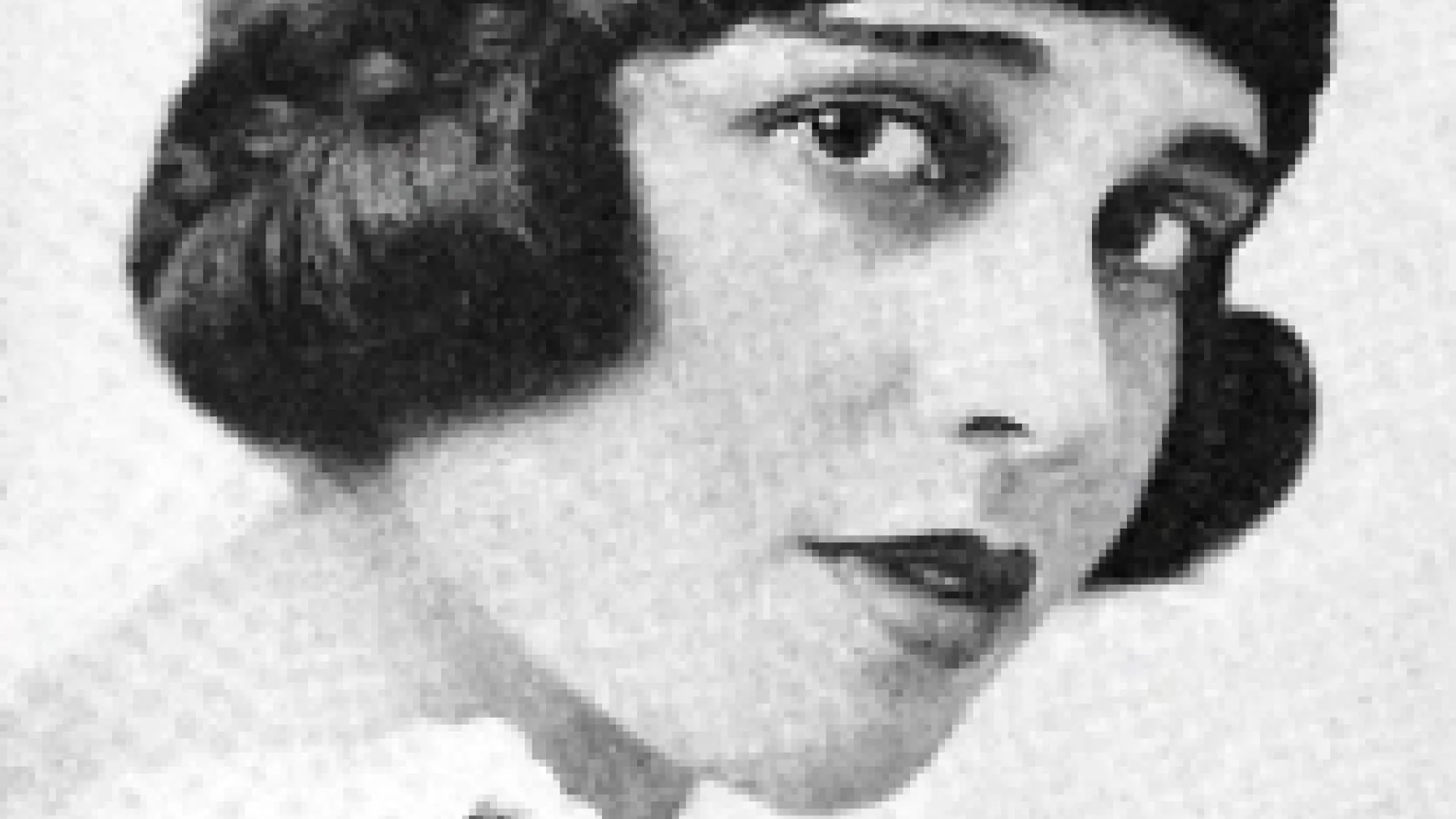
Anita Loos (1888-1981)
Writer, playwright, and film screenwriter. She began her career in 1912 as a screenwriter for many of David W. Griffith's shorts and some work for Allan Dwan and star Dogulas Faribanks. Among her works of the twenties, she stands out for the intertitles of "Intolerance" (1916) directed by Griffith himself. She worked for eighteen years for the Metro Goldwyn Mayer studio, for which she wrote scripts such as "San Francisco" (1936) by W.S. Van Dyke and "The Women" (1939) by George Cukor. She is also the author of the famous novel "Gentlemen Prefer Blondes" (1925), for which she also wrote its first film adaptation in 1928.
It's not a matter of talent.