
 934814391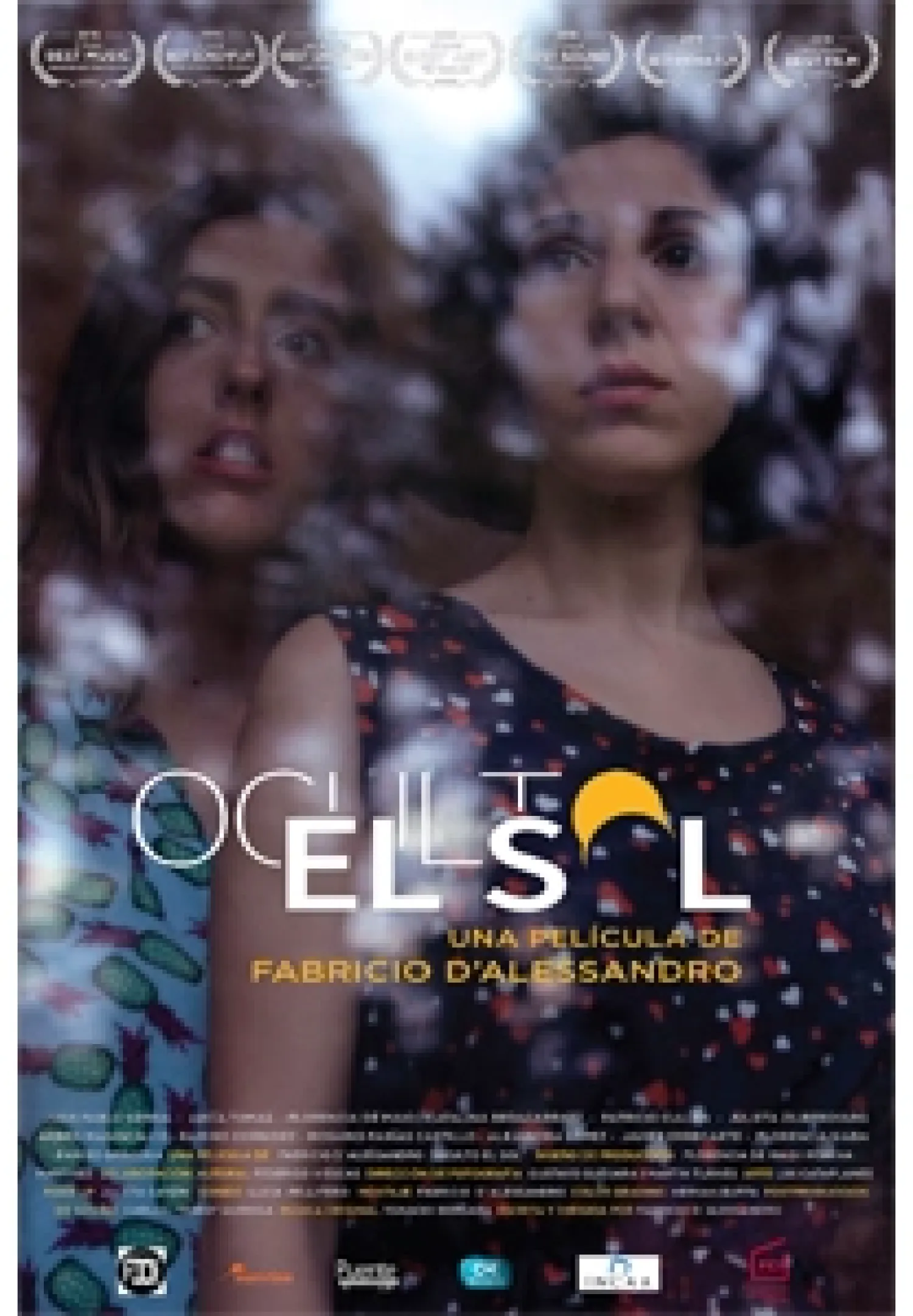
Fabricio L. D´Alessandro is one of the new faces in the FX ANIMATION Barcelona 3D & Film School cinema area. With a vast background in the advertising world as a director and editor, and as a teacher, Fabricio lands in Barcelona to coordinate and tutor the school's students' internships. But he has not come alone, as he brings from Argentina "Oculto el sol" (2016), his directorial debut, a feature film co-produced by Señora X Productions, a production company of FX ANIMATION. A risky and hard-to-classify proposal that comes preceded by awards and has been selected in several of the most prestigious festivals in Latin America.

Hidden Sun Movie
“Oculto el sol” originated from work during an acting workshop conducted by D´Alessandro. Similar to how John Cassavetes debuted in 1959 with "Shadows" from a series of exercises with a group of acting students, the Argentine director has created his feature film based on small plots involving pairs of actors from a course. This is the reason for its peculiar narrative structure: seven apparently disconnected stories, which the director connects through various cinematic elements and staging. A structure that refers to modern classics like "Short Cuts" (1993) by Robert Altman or "Magnolia" (1999) by Paul Thomas Anderson, movies that use different intertwining stories leading to a common place, where characters jump from one story to another facing an ending resolved by a kind of “deus ex-machina”; an earthquake and a rain of frogs respectively, fracturing the story into an impossible resolution. “Oculto el sol” also employs a final narrative device tied to nature in the form of a solar eclipse, without the expected resource of relating all its protagonists. The characters move in the distance, with a sense of being in adjacent rooms separated by thin partitions.
It is this eclipse, which at times leaves the city and all the characters in the plot without light, that surprisingly unleashes all the secrets in the form of lies, longings, fears, and desires hidden in the rooms, cars, and courtyards where the different stories take place. The moon that hides the sun is the same moon that nests in this tangle of relationships among siblings, lovers, friends, work colleagues, boyfriends, fathers, and sons. A set of stories delving into certain dark parts of the soul, but which the director mostly presents in broad daylight, in interiors with windows open to hope, forgiveness, and liberation.
D´Allesandro's style, with a subtle handheld camera, follows the actors in long shots, focusing on their faces and reactions, as they are the true protagonists of the film. Always in search of the poetic, he finds many of these moments in silences, in the protagonists' curious gestures, and especially in the film's final part. A part in which music, another highly present element throughout the film, unifies the different stories through a song, shedding light and life on the eclipse. A music that moves and penetrates those thin partitions separating their rooms, flooding all the plots.