
 934814391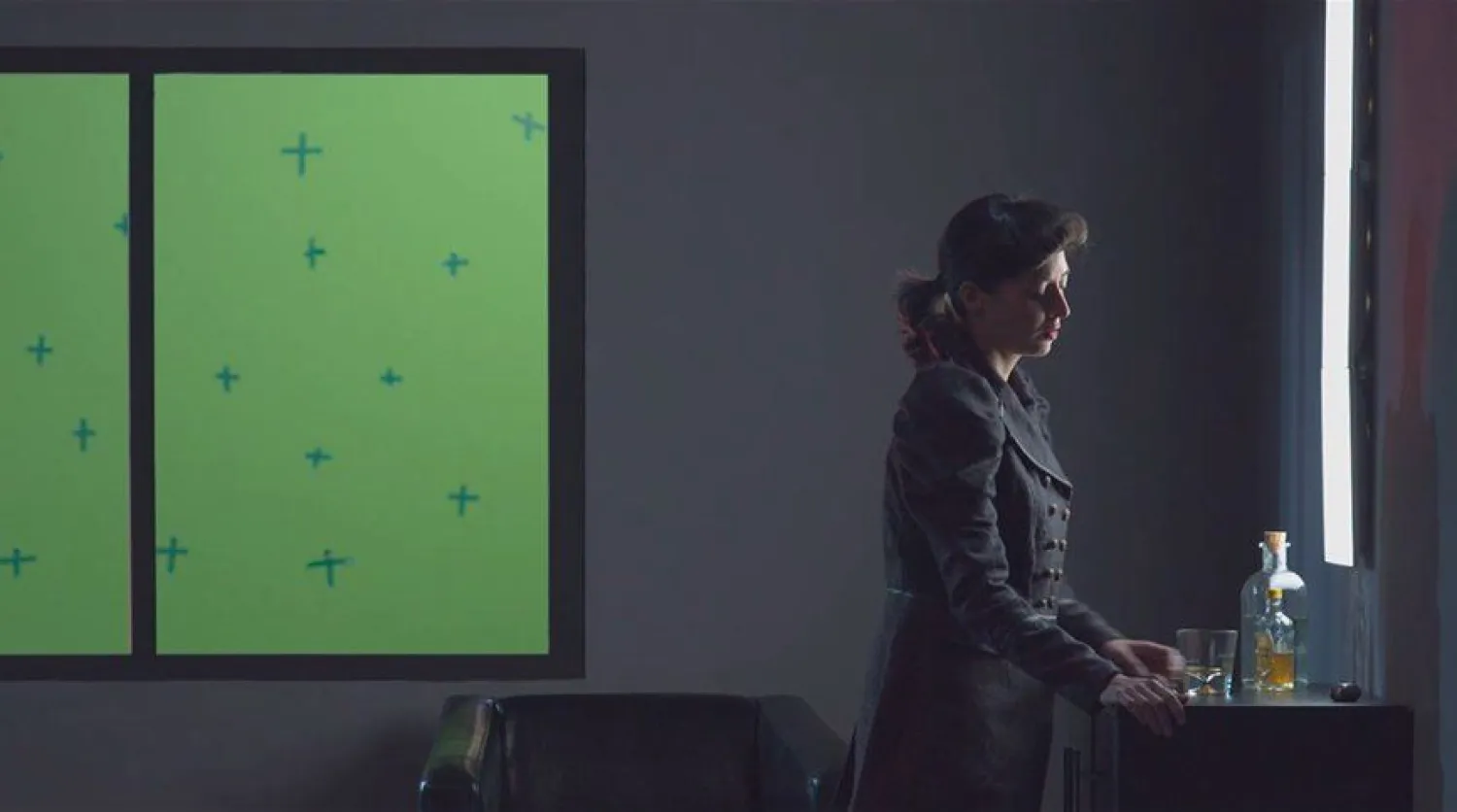
Audiovisual post-production is a key moment in every project, whether it be a live-action film, animation, or VFX, a TV series chapter, a commercial, or a music video. In the industry and at FX ANIMATION, we consider it a specialized area, as it requires exclusive training in both techniques and work methods, as well as cutting-edge software. But do you know exactly what it consists of? Let us tell you.
What is audiovisual post-production?
Generally speaking, post-production is the set of processes and techniques carried out once filming or production is complete until achieving the final result. However, this definition is very broad: let's delimit these phases.
At FX ANIMATION Barcelona 3D & Film School, we consider the following stages as part of the post-production specialty:
- Editing and montage: in a nutshell, it is the process (partly mechanical and partly narrative) in which all the raw filmed visual material is taken and organized. The goal is to narrate the story in line with a script or the director's vision and to provide continuity to tell a story through the juxtaposition of scenes.
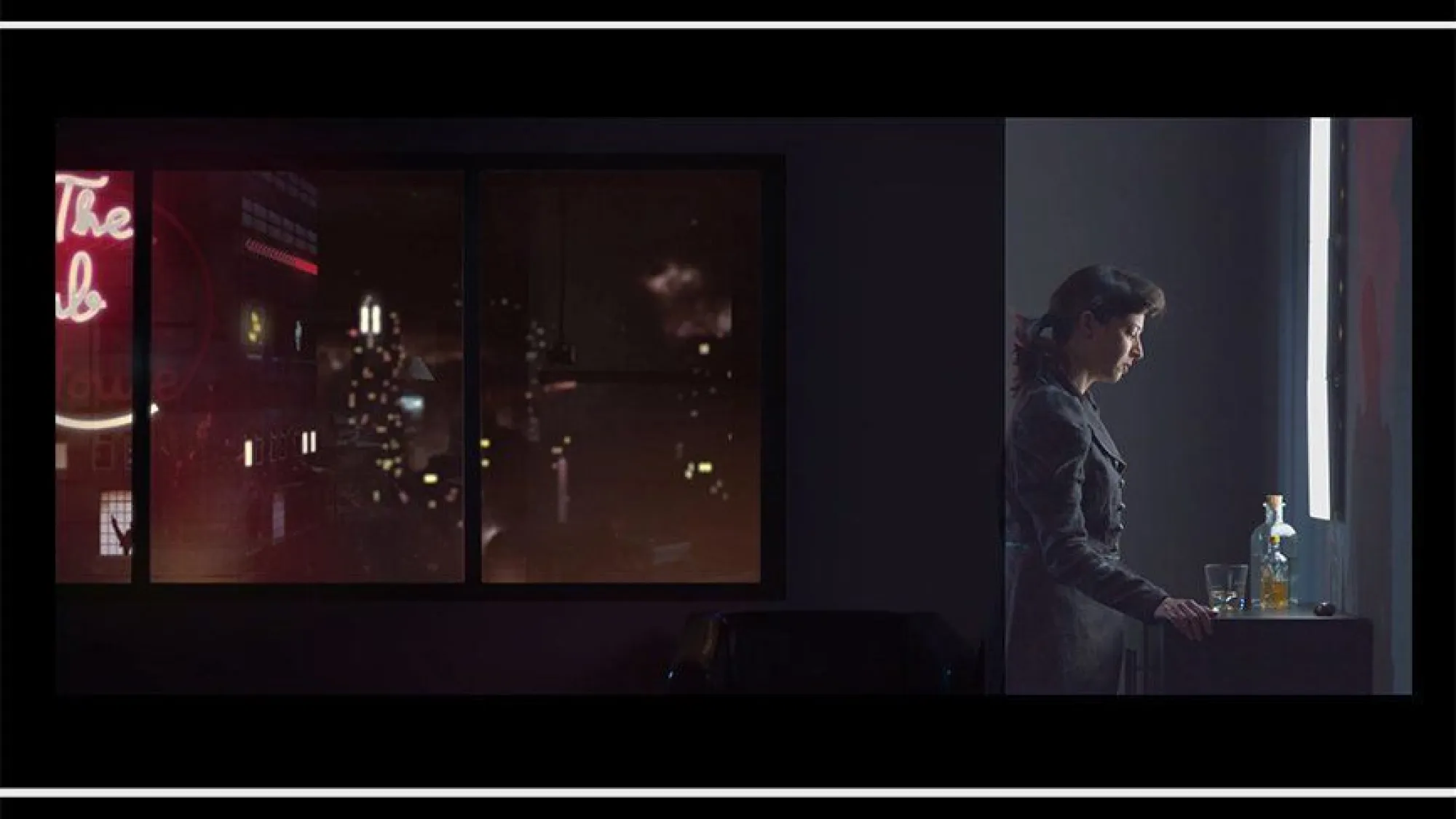
- Compositing, 3D integration, and other visual aspects: during post-production, the composition of different layers of images and the integration of 3D elements take place. This also includes chroma processing, digital effects to simulate camera movement, rotomasking, particle generation, or the integration of Motion Graphics, among other techniques.
- Digital color grading: refers to color and light correction and grading. It is a very important part of post-production, as it directly impacts the desired ambiance, the sensations to be conveyed, and how the story will be perceived.
- Sound: everything related to dialogue, ambiance, effects, music, and, of course, the integration and mixing of this set, is a fundamental part of post-production. Sound also requires an editing process, including the need for dubbing or additional actor voices if issues arise. Optimal mixing and combining of all channels are vital for a good audiovisual project.

Example of the compositing phases in a student project at FX ANIMATION
Studying audiovisual post-production, a necessary specialization
The post-production professional is ultimately responsible for gathering all the material (whether real image and/or CGI) to provide the final finishing and composition of the audiovisual project.
Audiovisual post-production is a very complex process that requires highly specialized professionals who are up to date with all the tools available to meet the quality standards required by the industry and to have a competitive profile.

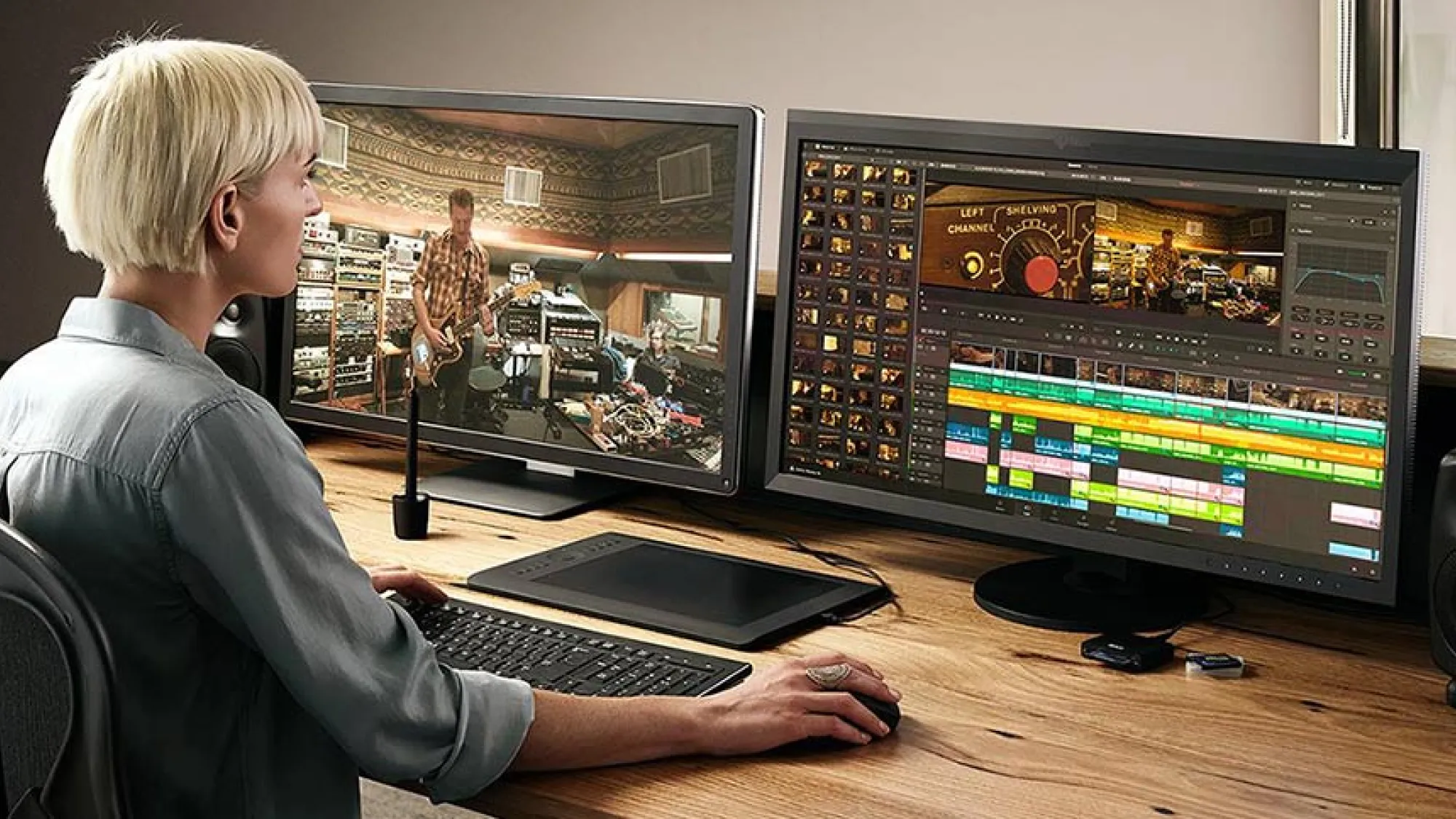
Example of working with DaVinci Resolve (Black Magic Website)
In this sense, work in this field has completely changed thanks to digital transformation and the introduction of non-linear editing systems, which allow working on different points of the project without altering the rest.
Furthermore, software originally designed for specific aspects (e.g., DaVinci Resolve for color grading) have expanded their functionalities and become powerful non-linear editing programs capable of integrating various post-production stages.

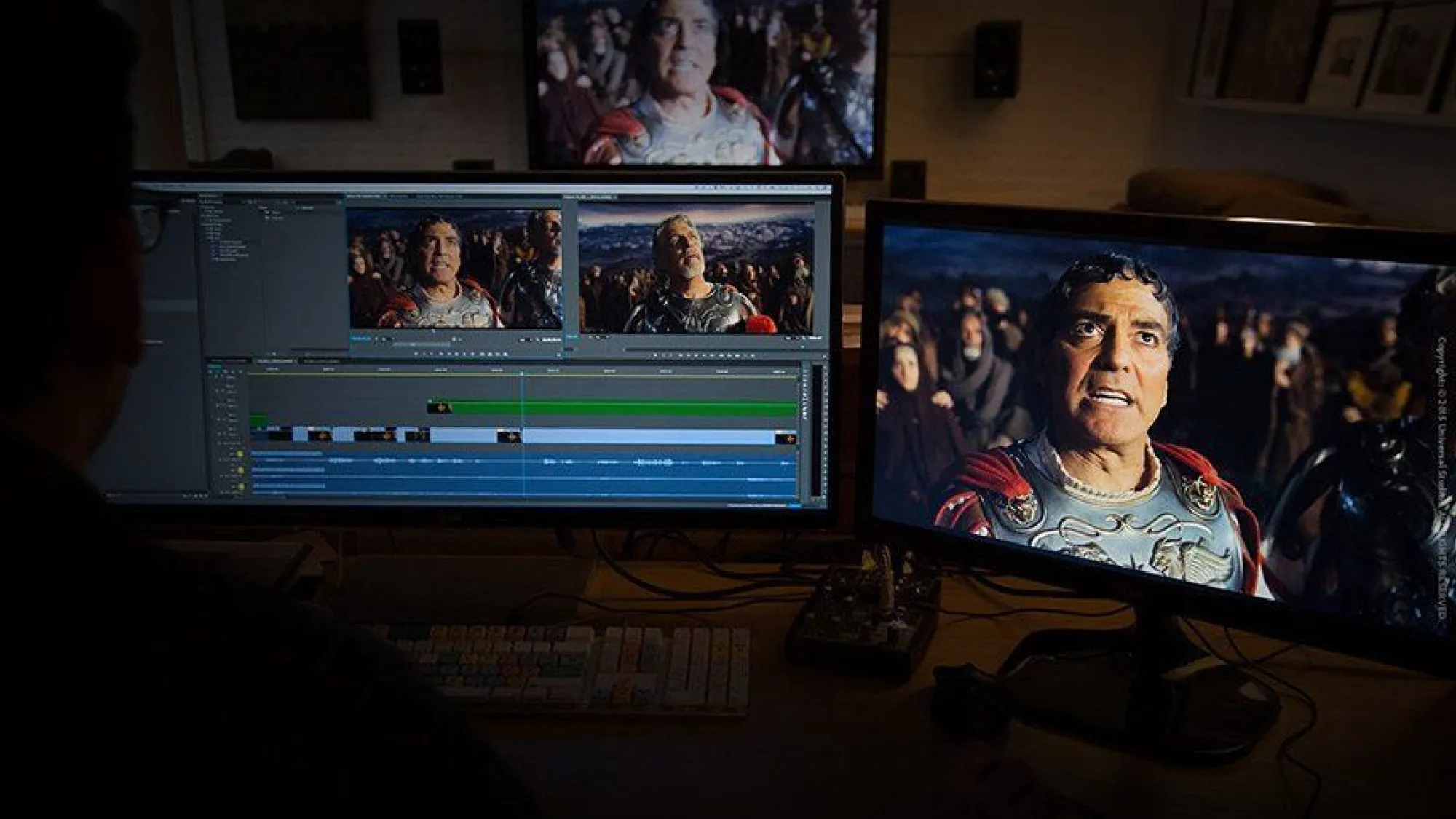
Editing Hail, Caesar! by the Coen brothers with Premiere Pro
The post-production professional must master each software used in the industry so they can adapt to the work of any production company or studio. For this reason, the Advanced Master's Degree in Post-Production and Compositing at FX ANIMATION, in addition to covering all the aspects we have seen before, trains students in programs such as:
- Premiere Pro: Adobe's software dedicated to editing, widely popular in the film, television, advertising, and internet industries.
- DaVinci Resolve 15: the latest edition of the most integrated software in the industry for the digital color grading phase.
- Pro Tools: the key tool for music editing, as popular in the film industry as in music due to all its possibilities and optimal results.
- After Effects: another flagship program from Adobe known for its versatility in compositing, animation, and Motion Graphics. It also includes a simple non-linear editing system.
- NukeX: a compositing software that has become essential in the industry over the past two decades. Giants like Disney, Dreamworks, Weta, or ILM use it in their productions. FX ANIMATION students also learn to master its Cara VR plugin.
- SynthEyes: an application for camera tracking, stabilization, or virtual set generation, among other features, created in 2003 and currently a standard in the industry.

Compositing in animation with software from Foundry (Nuke, Flix) – How To Train Your Dragon: The Hidden World
As you can see, post-production requires intensive training in different areas and its own specialization. If you wish to pursue a professional career in this field, the next Advanced Master's Degree in Post-Production and Compositing at FX ANIMATION starts on March 4, including training in leading companies in the sector for students who successfully complete the program.
Get in touch with us to receive all the information you need: we start in less than a month!