

 934814391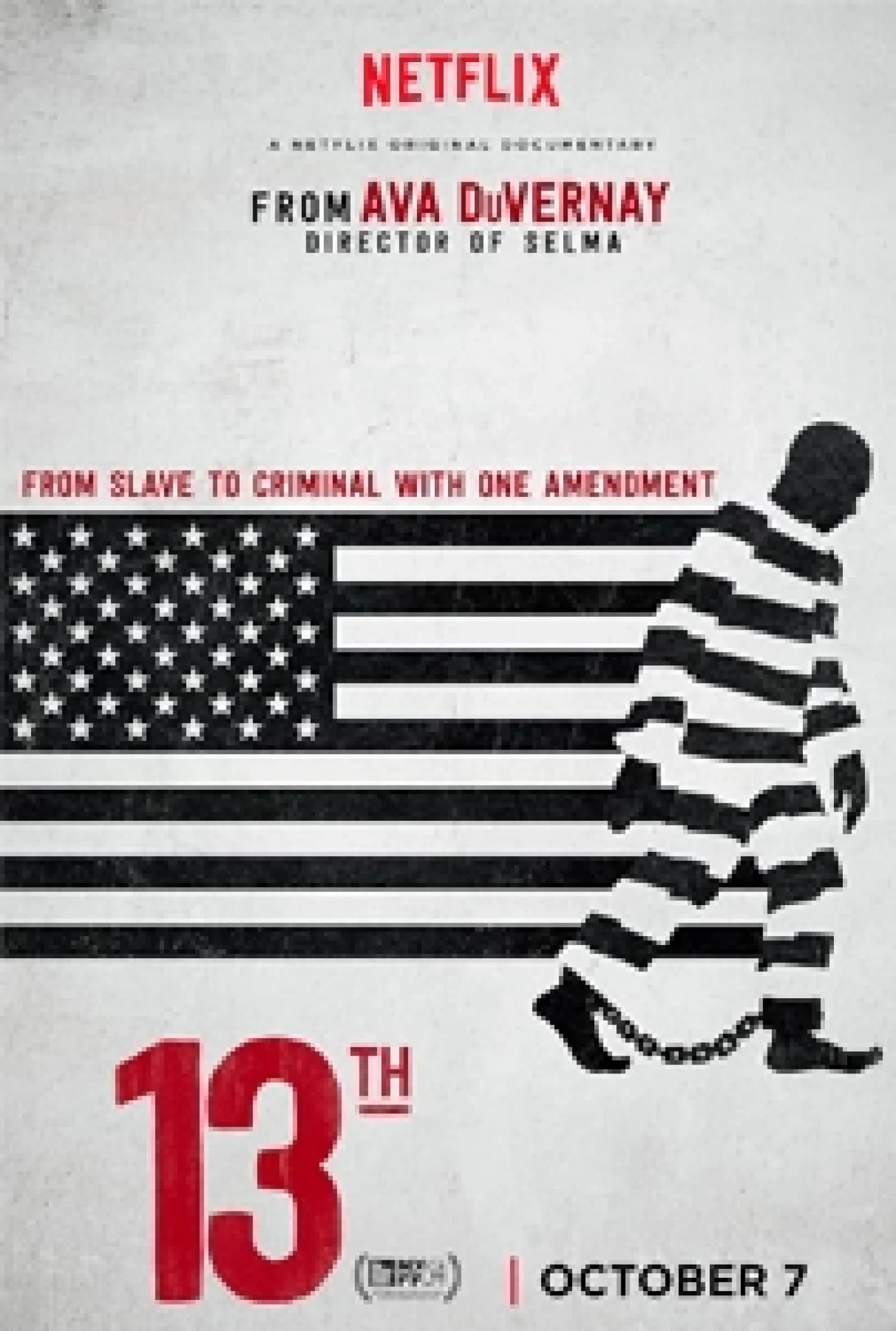
13th, The First Example of Cinema History.
One of the first examples typically shown to students studying film corresponds to excerpts from "The Birth of a Nation," the first major success in the history of cinema. The film by filmmaker David W. Griffith, considered by some as one of the fathers of cinema and film editing, was not only a great success but also sparked the anger of part of the white American population against black citizens. In the film, after the abolition of slavery, the freedom of blacks brought chaos to the country, a disaster for the nation that manifested as idleness, debauchery, irresponsibility, and white women being violated by blacks in vengeful exaltation after years of slavery. Following its release in 1915, the Ku Klux Klan rearmed, and the then President of the United States (USA) Woodrow Wilson even stated: "History written with lightning."
The documentary "13th" (Ava DuVernay, 2016) builds upon this rewriting of the history of the American Civil War found in "The Birth of a Nation," to explain how different governments alongside economic powers have been rewriting their own version of freedom, civil rights, and the concept of law and order. The documentary, produced by Netflix and nominated for the 2017 Oscars, starts with a statistical fact spoken by former President Barack Obama that leaves no room for doubt: “the US population holds 5% of the world's population, but also 25% of the world's prisoners.” This data is the result of a century of policies that have led the US to have over two and a half million prisoners in its jails. The documentary is one of the harshest and most impactful portrayals seen in recent years, questioning and exposing the shortcomings of the land of the free through a historical journey spanning from the abolition of slavery to the present. A story that seeks to perpetuate a legal system of slavery that allows it in the case of being a criminal, thus leaving Amendment 13 - which guarantees freedom - in doubt.
A story that denounces the systematic harassment endured by the black race throughout history, from being kidnapped from Africa and used as slaves, to being mass-arrested following the abolition of slavery, segregation, media manipulation - labeling them as criminals -, self-serving political campaigns that mask racist messages to secure votes, the privatization of the prison system, policies that encourage indiscriminate arrests, the crack epidemic, or an unfair penal system that hinders the defense of the accused without the possibility of parole or subsequent reintegration.
“13th” is a brilliant documentary that combines interviews with historical archival footage that cannot be labeled as subjective, manipulative, or pretentious. A sober exercise with emotional moments which, now more than ever, in the current situation of the USA and the world at large, serves as a serious warning about the events shaping the new millennium, such as the rise of the far-right, ultranationalism, the Trump era, or the massive displacement of refugees. An example to be shown in American history classes, and why not, one of the first examples in film history classes.